


Between June 8th and 12th, 2026, the CORECON team at the University of Opole hosted two Australian media, journalism and culture researchers from Edith Cowan University, Perth, Australia – Dr. Steinar Ellingsen and Mr. James Hall. The visit was enabled by Erasmus+ funding, and it was devoted to exploring common threads in media research and journalism teaching in globalizing and technology-driven environments.
The partner institution and visiting researchers
Edith Cowan University in Perth is the second largest public research university in Western Australia, named after the first women elected to the Australian Parliament. Its Shool of Arts and Humanities, housed in the brand new City Campus is known for top research and study programs in performing arts, media studies, social sciences and psychology, some in partnership with University of Portsmouth, UK.
Dr. Steinar Ellingsen is senior lecturer within the School of Arts and Humanities who specializes in teaching such courses as Media, Law and Ethics, Investigative Journalism, Journalism in the New Media: Converged Environment, or Audio and Visual Storytelling. At ECU he works with students of the Bachelor of Media andCommunication and is the coordinator of the major in Broadcast and Digital Journalism. His academic interests involve web series, digital cultures, and creative entrepreneurship.
He is an internationally recognized expert on web series and a co-founder and former director of Melbourne WebFest, an event that features web series, podcasts, and actual play (audio and video) projects. He has been a chief investigator of the project “Valuing Web Series: Economic, Industrial, Cultural and Social Value,” culminating in the book The Web Series Experiment published in Routledge in 2026 and co-edited by Mark David Ryan and Sue Turnbull. Before relocating to Australia to pursue a career in academia, dr. Ellingsen worked as a journalist in Norway, where he won an award for investigative journalism in 2007. Now he is in charge of a new project on “Transforming the News: Assessing the Impact of Generative AI on Journalism Practices and News Production.”
James Hall is a lecturer within the School of Arts and Humanities of ECU involved in teaching such courses as Media and Culture, Communicating Ideas, Popular Music and Culture, Media and Nation, Global Communications. He is also a course coordinator for Bachelor of Global Media and Communication, and ECU academic coordinator of Tokyo City University Australia Program. His teaching expertise and academic interests include popular culture and fan studies, public relations, community broadcasting, interviewing, and podcasting as well as design and visual arts. He previously collaborated with Arts Radio LTD and Handy Points Podcast.
Ensuring that journalism is grounded in ethical practices and standards
A recent common concern in both academic contexts of Europe and Australia pertains to the role of generative AI in news and media production, particularly the impact of the technology on creative industries and research culture itself. Thanks to the CORECON’s previous focus on the topic of responsible journalism in the era of AI, the visit was devoted to exchanging information and findings on how media professionals respond to new AI-assisted tools for the newsroom.
Similarly to the CORECON team, Australian researchers have also been interested in analyzing how AI-driven journalistic practices are impacting the newsroom and have conducted surveys and interviews among Australian reporters and editors in order to capture how the technology is embraced or resisted. Dr. Ellingsen’s reseach shows that many insist that editorial decisions should continue to be taken by humans without AI intervention. Professionals tend to consider the environmental costs and ethical implications of the technology, which is based on possibly biased and unreliable large language models and data appropriated without permission.

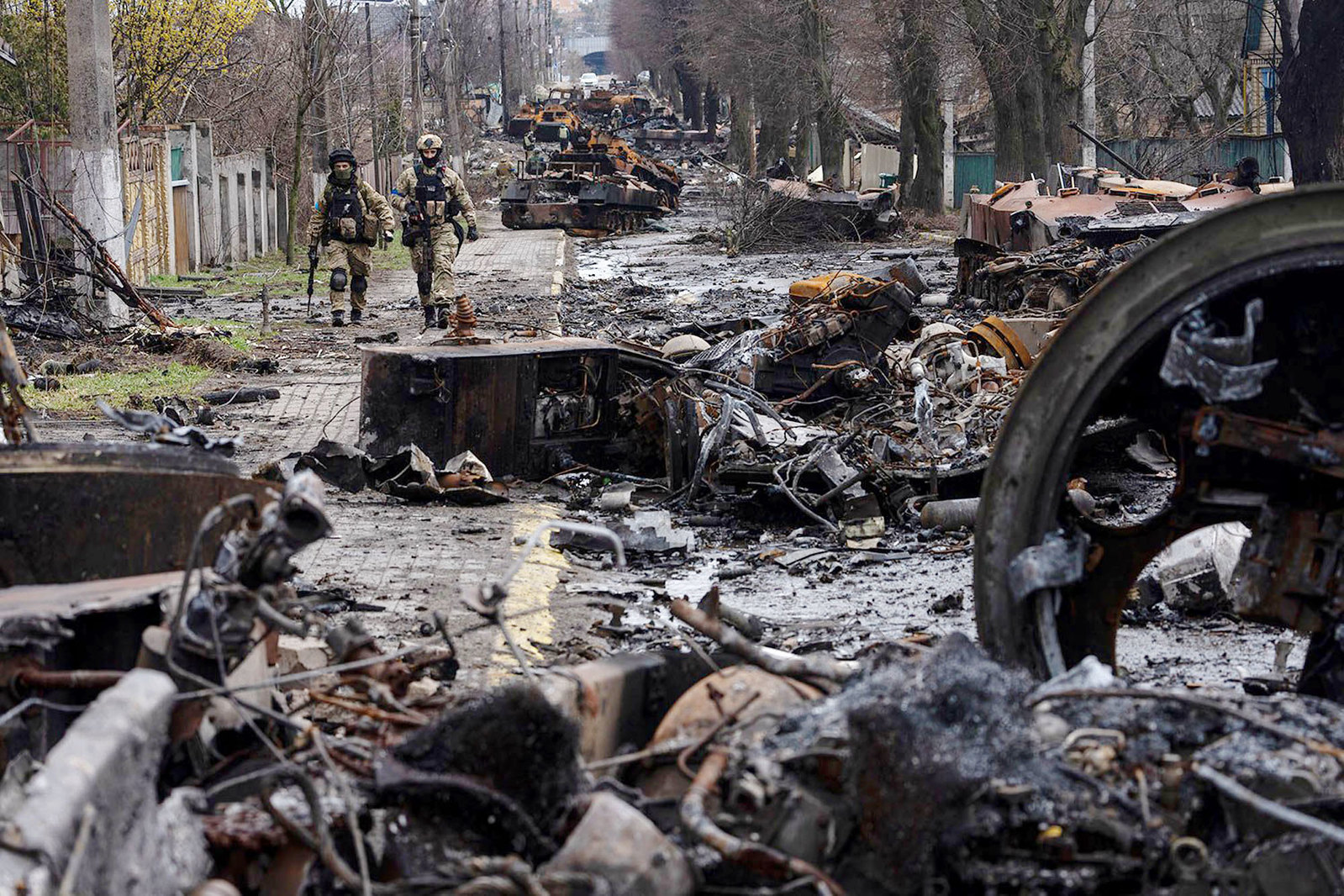
The CORECON team also took the opportunity to share the recommendations for journalistic best practices extracted from CORECON research. It was discussed how the international armed conflict should be covered in the media so that the members of the public can take reasonable stances and make informed choices about it. These recommendations can be found in the CORECON brochure here.
Additionally, dr. Ellingsen held a session with PhD and early stage researchers that looked at challenges of researching fast-moving technologies. He focused on choosing research questions that endure beyond specific platforms and can be addressed with methods like discourse analysis, newsroom ethnography, interviews with practitioners, or through policy analysis.
Dissemination and outreach
The visit offered a chance to discuss the newly published CORECON collective monograph, edited by Katarzyna Molek-Kozakowska and Simina-Maria Terian entitled Mediated Discourses of Conflict across Languages and Genres: Coverage and Reception of the War in Ukraine that came out in April 2026 in the Springer’s book series “The Language of Politics.” The book is open access and is available on the publisher’s website. The experiences and challenges of editing and publishing a book designed for a niche target audience with an international commercial publisher were discussed.
Exchanges like this offer opportunities for dissemination and knowledge transfer. They also may catalyze new ideas on how to translate academic research into globally relevant education for current and future journalists. Seeking like-minded researchers and sharing results can inspire new project ideas and enable unforeseen prospects for comparative analyses, especially regarding policy analysis and regulatory contexts of media law, economics and ethics.
Text and photo by Katarzyna Molek-Kozakowska,